
How to Get a USA Visa
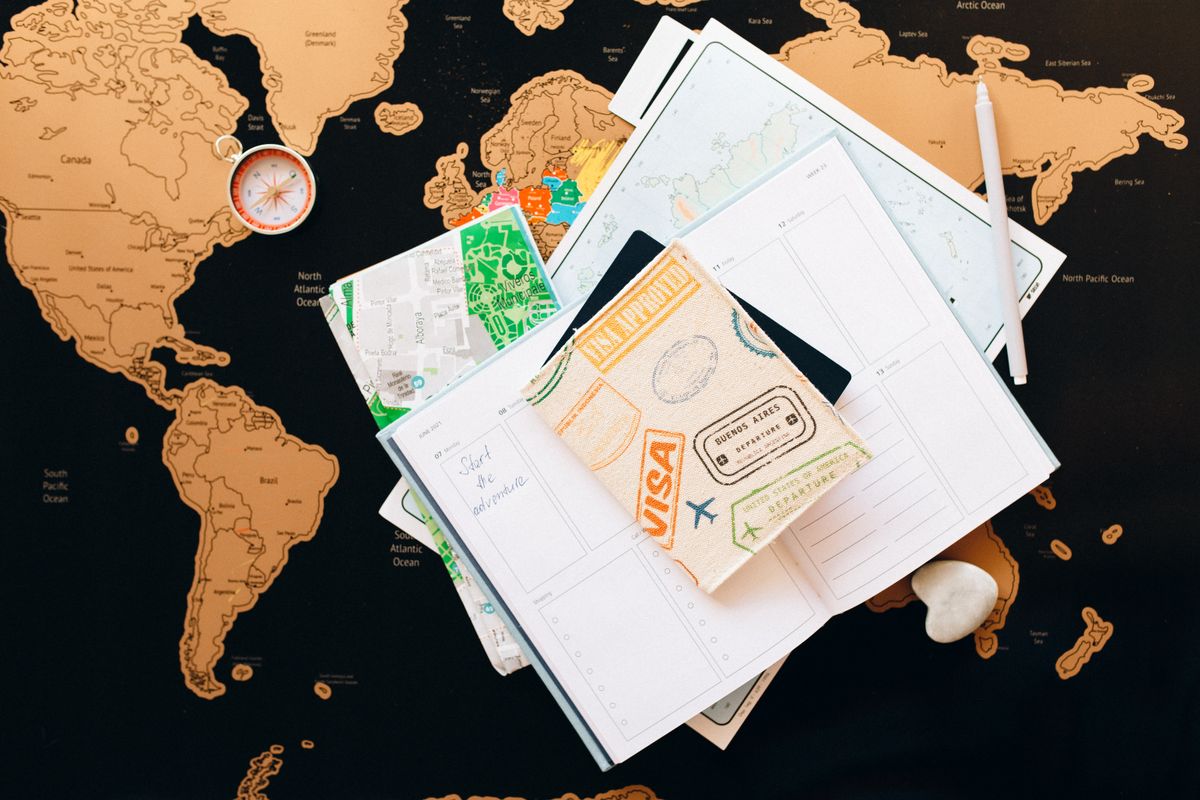
Obtaining a US visa is a crucial step for individuals from African or Asian countries planning to travel or study in the United States. The visa application process may seem daunting, but with proper preparation and understanding, it can be navigated successfully. This guide is designed to assist first-time travellers or students from these regions in navigating the visa application process.
Types of US Visas
The United States offers various visa categories depending on the purpose of the visit. Some of the most common visa types include:
- Visitor Visas (B-1/B-2): These visas are issued for temporary business or tourism purposes.
- Student Visas (F-1, M-1): The F-1 visa is for academic students pursuing a degree program, while the M-1 visa is for vocational or non-academic students.
- Other Common Visa Categories: There are additional visa types such as the J-1 visa for exchange visitors, H-1B visa for specialty occupations, and others depending on the specific purpose of the visit.
Eligibility Requirements
Before applying for a US visa, it's crucial to understand and meet the eligibility requirements. These requirements vary depending on the visa category, but there are some general prerequisites that apply to most visa types.
A. General Requirements
Valid Passport: Applicants must hold a valid passport issued by their country of citizenship. The passport should have at least six months of validity beyond the intended period of stay in the United States.
No Criminal Record: Applicants with a criminal record, particularly involving crimes of moral turpitude or drug-related offenses, may face challenges in obtaining a US visa.
Medical Examination: Depending on the visa category, applicants may be required to undergo a medical examination to prove they are free from certain communicable diseases.
No Immigration Violations: Individuals who have previously violated US immigration laws or overstayed in the country may face difficulties in obtaining a visa.
Sufficient Financial Resources: Applicants must demonstrate that they have sufficient financial resources to cover the expenses of their stay in the United States, including accommodation, living costs, and return travel.
B. Specific Requirements for Different Visa Categories
In addition to the general requirements, there are specific eligibility criteria for different visa categories:
Visitor Visas (B-1/B-2): Applicants must demonstrate that they have strong ties to their home country, such as employment, property ownership, or family obligations, to ensure their return after the temporary visit. They should also provide evidence of sufficient funds to cover their expenses during the stay.
Student Visas (F-1, M-1): Students must provide proof of admission to a Student and Exchange Visitor Program (SEVP) approved school or educational institution in the United States. They must also demonstrate the ability to finance their studies and living expenses through personal funds, scholarships, or sponsors.
Work Visas (H-1B, L-1, etc.): Applicants for work visas must have a job offer from a US employer who has obtained the necessary labor certification or petitioned for the specific visa category. They may also need to demonstrate specialized knowledge or skills relevant to the job.
Exchange Visitor Visas (J-1): Applicants for exchange visitor visas must be sponsored by an approved program or organization in the United States. They need to provide evidence of the program's purpose and their qualifications.
It's essential to carefully review the specific eligibility requirements for the visa category you are applying for and ensure that you meet all the criteria before submitting your application.
Preparing the Application
The visa application process typically involves the following steps:
Completing the DS-160 Form: The DS-160 is the online visa application form that must be completed accurately and truthfully.
Gathering Required Documents: Applicants must gather various documents, including a valid passport, recent photographs, evidence of financial support, educational or employment documents (for student or work visas), and any other supporting documents requested by the embassy or consulate.
Scheduling the Visa Interview
After completing the online application and gathering the necessary documents, applicants must:
- Find the Nearest US Embassy or Consulate: Each country has designated US embassies or consulates that handle visa applications.
- Pay the Visa Application Fee: The non-refundable fee must be paid before scheduling the visa interview appointment.
- Schedule the Appointment: Applicants can schedule their visa interview appointment through the embassy or consulate's website or designated service provider.
Attending the Visa Interview
The visa interview is a crucial part of the application process. During the interview, applicants should:
- Be Prepared: Understand the common interview questions and be ready to provide honest and consistent answers.
- Demonstrate Ties to the Home Country: Applicants should show strong ties to their home country, such as family, employment, or property ownership, to demonstrate their intent to return after the temporary visit.
- Be Truthful: Honesty is essential throughout the visa application process. Providing false information can lead to visa denial and potential ineligibility for future applications.
After the Interview
After the visa interview, applicants will receive one of the following outcomes:
- Visa Approved: If the visa is approved, the applicant will receive further instructions on collecting the visa and preparing for their travel or study in the US.
- Visa Denied: In case of a visa denial, the applicant will be provided with the reasons for the denial and information on the available options, such as reapplying or appealing the decision.
- Administrative Processing: In some cases, additional administrative processing may be required, leading to a longer wait time for the final decision.
Tips and Advice
To increase the chances of a successful visa application, applicants should consider the following tips:
- Apply Well in Advance: Apply for the visa several months before the intended travel or study dates to allow sufficient time for processing.
- Be Truthful and Consistent: Provide accurate and consistent information throughout the application process.
- Demonstrate Ties to the Home Country: Show strong ties to the home country, such as family, employment, property ownership, or other compelling reasons to return after the temporary visit.
- Seek Professional Assistance: If needed, consider seeking assistance from a reputable immigration lawyer or visa consultant to ensure a smooth application process.
Conclusion
Obtaining a US visa as a first-time traveller or student from an African or Asian country can be a challenging process, but with proper preparation and adherence to the guidelines, it is achievable. By understanding the visa types, eligibility requirements, application process, and tips for success, applicants can increase their chances of a positive outcome. Remember to apply well in advance, be truthful and consistent, and seek professional assistance if needed.